
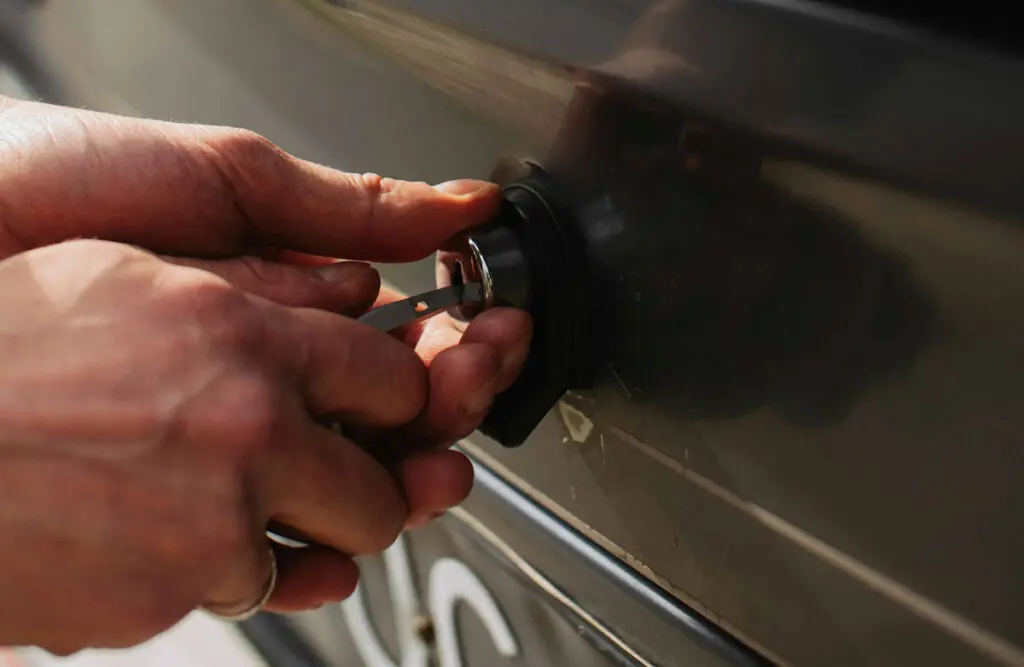
A car key snapping is one of those modern problems which seem small, until it ruins your entire week. Whether the blade broke cleanly in your hand, sheared off inside the door lock, or snapped while turning the ignition, what you do next matters more than most people realise. The wrong move can turn a simple key replacement into a damaged lock cylinder or ignition barrel.
Modern car keys are also more fragile than they look. Years of torque, worn wafers inside locks, cold UK weather, and heavy keychains all contribute to metal fatigue. In this guide, we’ll walk through seven practical solutions for a snapped car key, starting with the safest DIY options and ending when it’s time to call an Essex Auto Locksmith professional. No scare tactics, no nonsense, here are our 7 practical solutions that just work.
Use a Spare Key
If you have a spare key this immediately takes a little weight off your shoulders.
What to do:
- Use the spare key to regain access, or start your car
- Avoid forcing stiff locks, this is often what snapped the key
- Set the broken key aside, it can still be used to cut a replacement key
Why this matters:
Using a spare key gives you time to fix the issue, while getting back on the road again if you have an appointment, are going on a trip, or just need to get on with your daily routine.
Key Snapped in Half in Your Hand: Keep Both Pieces and Arrange a Replacement
If the key breaks cleanly in your hand while you’re holding it, you’re in luck because this is the easiest scenario to fix.
Do:
Keep both halves of the key.
Arrange for a replacement key to be cut from the original.
Do not:
Tape or glue them together and use the key.
Why both pieces matter:
One of our expert locksmiths can use their experience to decode the blade accurately when both halves are present, even when the key is worn. This often results in a better fitting replacement than copying a damaged spare.
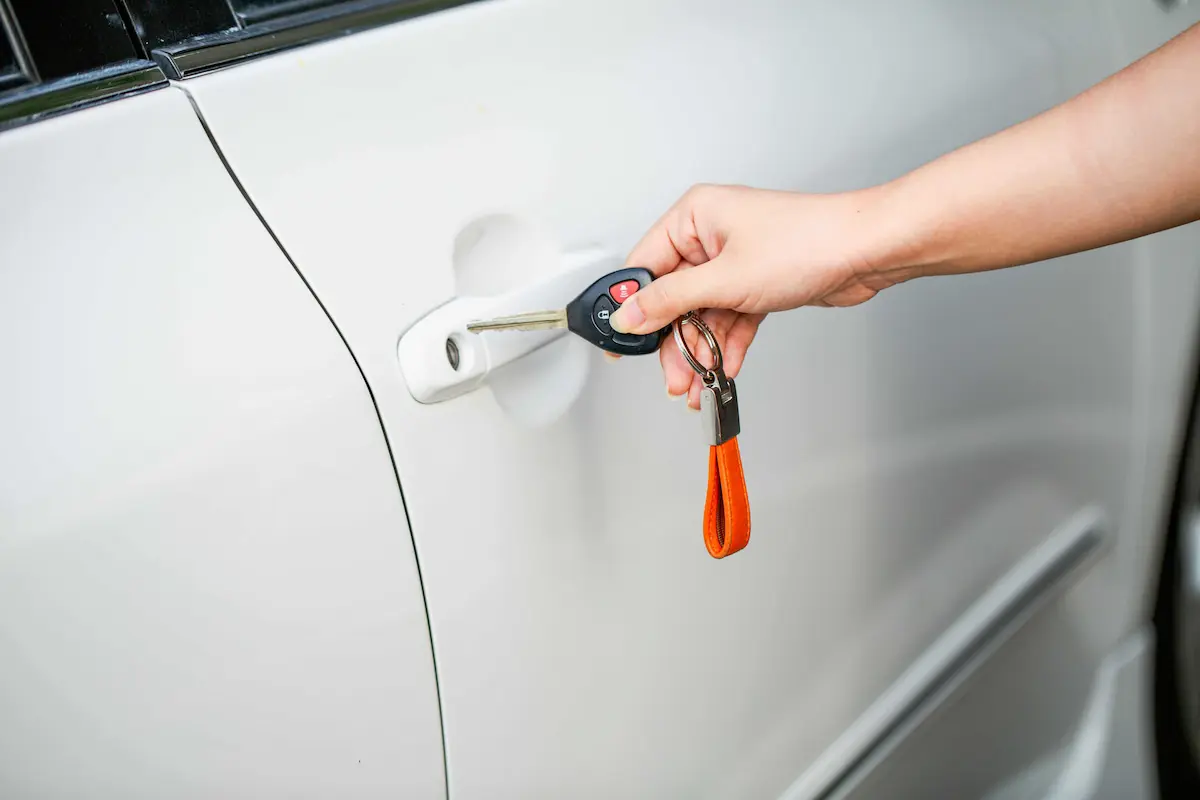
Key Snapped in the Door Lock: Safe Extraction (Without Damaging the Cylinder)
A broken key stuck in the door requires patience above all.
What not to do:
Don’t jam screwdrivers, paperclips, or knives into the lock.
Don’t force the lock to turn.
Safer extraction options include:
- Applying a small amount of graphite-based lubricant
- Using fine tweezers only if part of the blade is visible
- Stopping if the key is flush or deep inside
Door lock wafers are delicate. Once bent, the entire cylinder may need replacing, this is far more expensive than a simple extraction.
Key Snapped in the Ignition: Protect the Barrel and Avoid a Bigger Repair
This is the most expensive place for the key to break, and where DIY ‘fixes’ cause the most damage.
Critically, do not: turn the ignition with tools, glue anything inside the ignition or attempt to drill the key out.
Ignition barrels contain precision wafers aligned to your key. Damage them, and you may be looking at steering lock removal or ignition replacement.
Your best move is to leave the car where it is and call us to address your issue. We can typically extract the key without removing the barrel.
Emergency Blade Snapped Off the Fob: Recasing vs Full Replacement
Flip keys and proximity fobs often fail where the metal blade meets the plastic housing.
Your options depend on the damage:
| Scenario | Recommended fix |
|---|---|
| Blade intact, housing cracked | Recase the fob |
| Blade snapped, electronics OK | Replace blade & recase |
| Electronics damaged | Full replacement |
Recasing is often overlooked but can save you significant money, especially if the transponder and chip still function properly.
Non-Chipped Key With a Broken Plastic Head/Loop: Short-Term DIY Options
Older cars often use plain metal keys with plastic heads that crack at the keyring loop.
Temporary fixes include removing excess keys from your chain, using a rubber key cover, or epoxy wrap around the head only, and carrying the key separately to reduce torque.
Caution: these are only temporary measures, a weakened blade is more likely to snap next time you use it, and possibly (most critically) in the ignition.
Call an Auto Locksmith (or Dealer)
If the key is stuck, snapped within a lock, or you have no spare, a professional is usually the safest and cheapest option.
Why locksmiths are usually the better first call:
- Mobile service with no towing required
- Can extract broken keys without replacing locks
- Usually faster and less expensive than dealerships
Dealers may still be required for some high-security or encrypted systems, but many systems don’t require them.
For background on how modern car keys evolved and why they’re more complex today, this overview from Wikipedia is helpful.
Frequently Asked Questions
Can I superglue my car key back together?
No. Glue weakens the joint and increases the chances of the key snapping again, often in the ignition or lock, leading to the most costly repairs.
How to get a snapped key out of a car?
If part of the key is visible, gentle tweezer action and lubricant may work. If it’s flush or deep, call an auto locksmith to avoid damaging the lock.
How to remove a snapped car key without tools?
You generally can’t do this safely without tools. Any method that works ‘without tools’ usually risks pushing the key further into the lock or bending internal wafers.
Can a magnet pull a broken key out of a lock?
No. Most car keys are brass or silver nickel alloys and are not magnetic.
